
H20 Timber Beam Plywood: Applications and Price Trends
H20 timber beam plywood have become indispensable in modern construction, valued for their strength, light weight, and versatility.
12/16/20251 min read
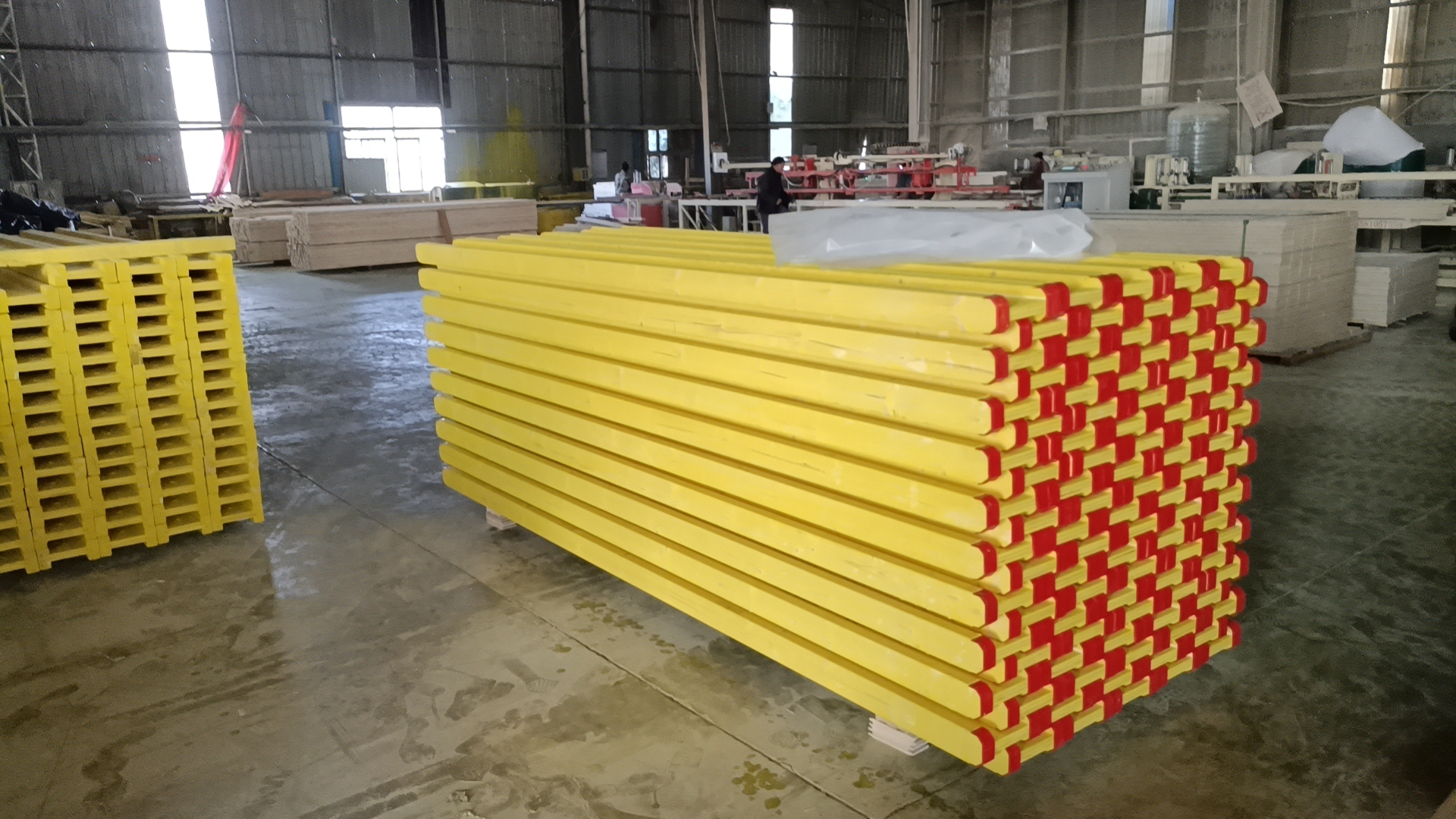
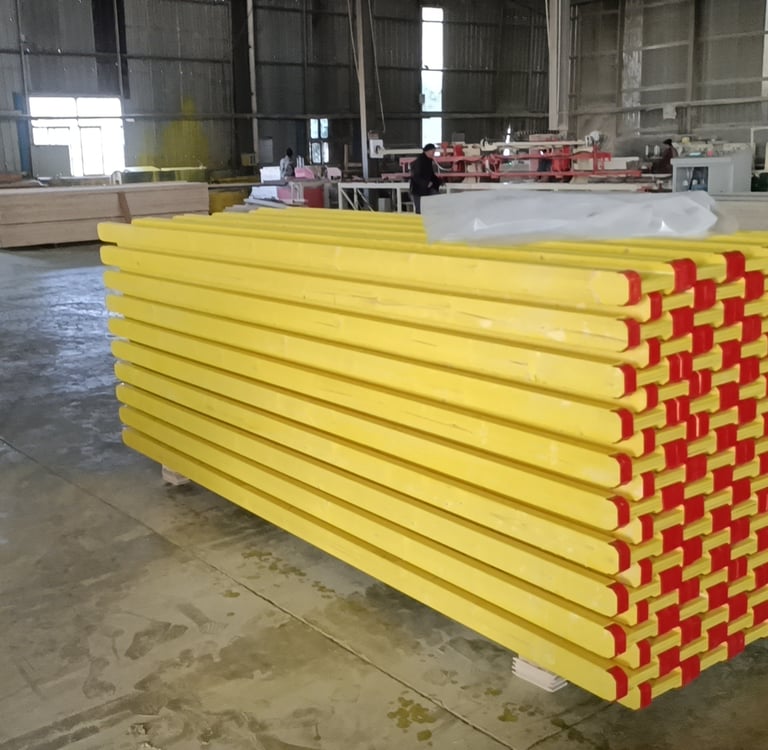
H20 timber beam plywood have become indispensable in modern construction, valued for their strength, light weight, and versatility. Primarily used in formwork systems, they support slab, wall, and column concrete pouring. Their adaptability extends to infrastructure projects like bridges and high-speed rail, while prefabricated residential and commercial buildings rely on them for efficient assembly. Engineered from pine or spruce with waterproof glue, they resist moisture and enable reusable, waste-reducing construction.
In 2025, H20 beam plywood joist prices show distinct ranges. Standard formwork-grade beams cost 7 dollars per meter for bulk orders (100+ meters), while customized or high-strength variants reach 8 dollars. Volume discounts apply: orders over 10,000 meters drop to 6.8D per meter.
Price trends reflect market drivers. The global H20 beam plywood market is growing at 8.2% annually (2026–2032) due to green construction demand and prefabrication trends. However, volatility persists: timber shortages can spike prices, while competition from steel tempers increases. For buyers, locking in bulk contracts mitigates risks, as does prioritizing suppliers offering FSC-certified, durable beams that maximize reuse value.